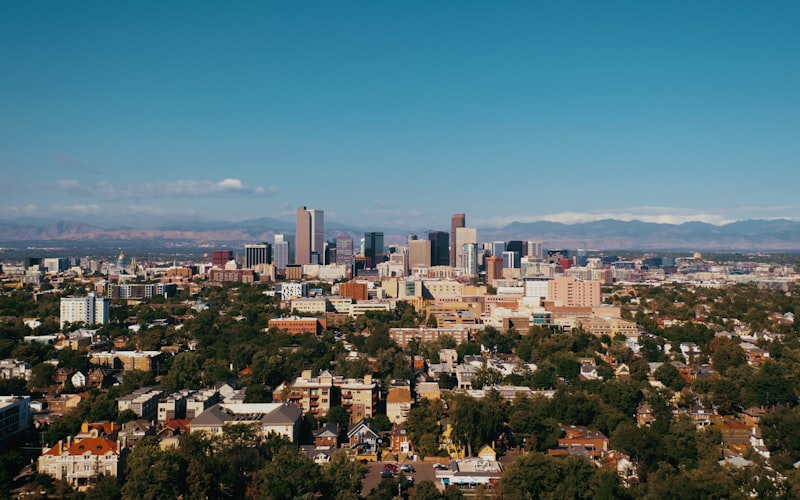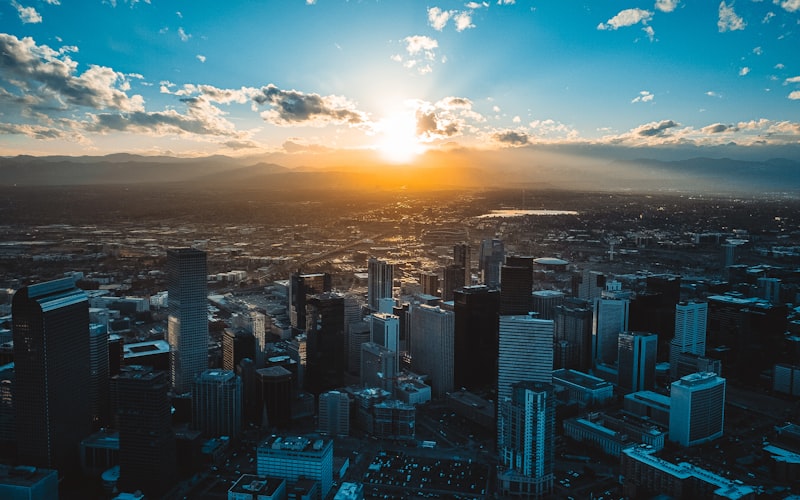
Denver's art scene has transformed over the past two decades from a regional secondary market into one of the most dynamic and seriously collected art cities in the country. The city's growth, adding hundreds of thousands of residents since 2010, with a particularly high proportion of educated young professionals, has driven demand for both established and emerging art. The gallery district has expanded accordingly, with a concentration on Santa Fe Drive and in the River North Art District (RiNo) that now rivals many coastal markets in ambition if not volume.
The Santa Fe Drive Corridor
The stretch of Santa Fe Drive between 6th and 10th Avenues is the traditional center of Denver's gallery scene, anchored by institutions that have operated here for decades and complemented by a steady influx of new spaces.
Robischon Gallery is the most important commercial gallery in Denver, a large, seriously programmed space that has represented major national and international artists since 1976. The roster spans painting, sculpture, photography, and new media, and the exhibition calendar consistently produces shows that would hold their own in any major art city. If you see one gallery in Denver, this is it.
Rule Gallery focuses on contemporary painting and sculpture with a sharp eye for emerging artists who are building regional and national reputations. The space is smaller than Robischon but the programming is focused and the quality reliable.
Pirate: Contemporary Art operates as an artist-run cooperative on the Santa Fe corridor, offering a different model, member artists rotate through the programming responsibilities, producing exhibitions that reflect working studio practice rather than market calculation. It's the most authentic window into what Denver artists are actually making.
River North Art District (RiNo)
RiNo has become the center of Denver's contemporary scene over the past decade. The neighborhood, a former industrial area along the South Platte River north of downtown, has been colonized by studios, galleries, muralists, and creative businesses that have made it one of the most visually dense neighborhoods in the Mountain West.
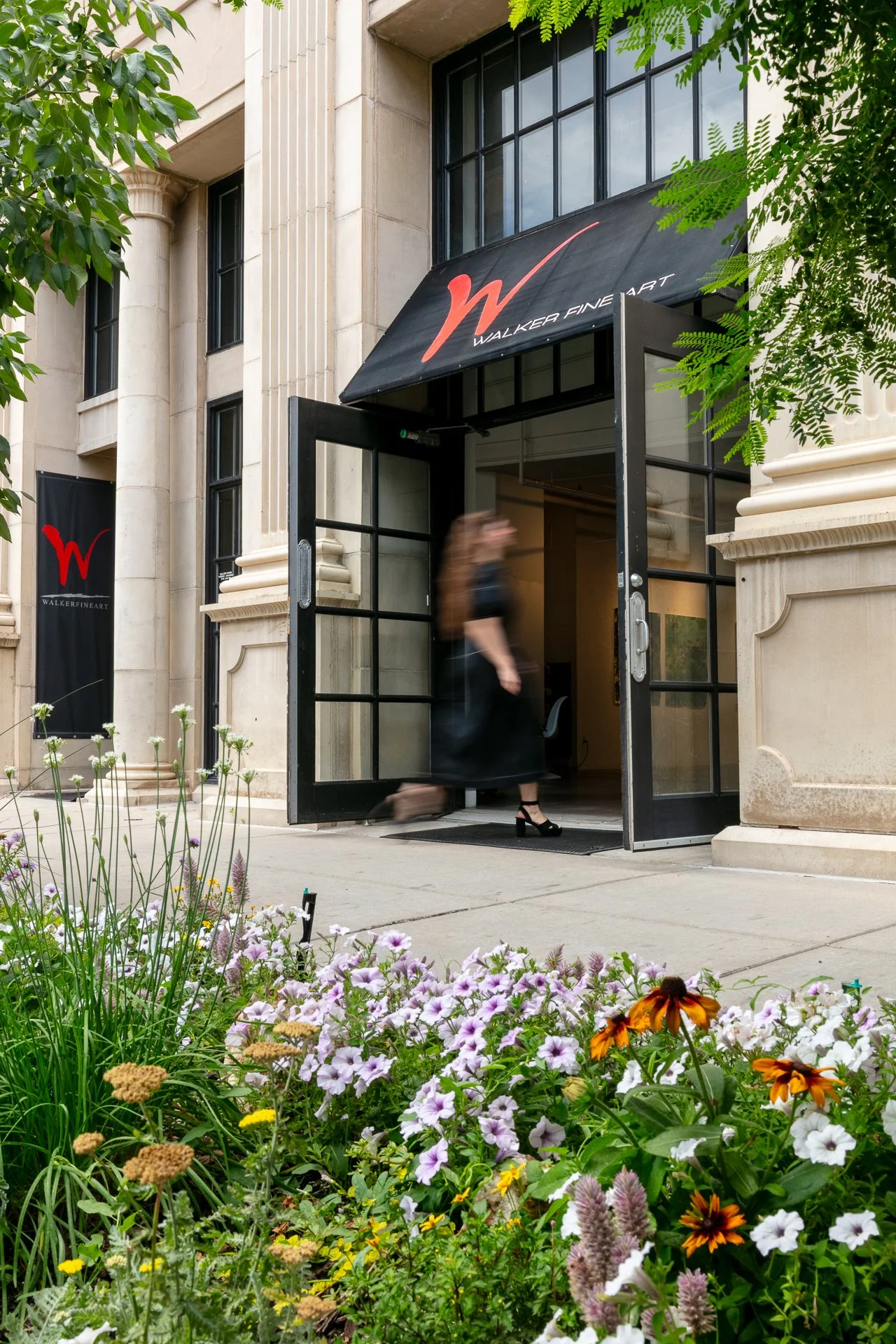
Walker Fine Art in RiNo focuses on contemporary painting and works on paper, with a roster that includes both regional artists and national names. The gallery has a particular strength in abstract work and a programming rhythm, six to eight shows per year, that keeps the space fresh.
Goodwin Fine Art occupies a beautifully renovated brick warehouse and shows work in a range of media, with a consistent interest in artists who engage with the Western landscape in non-traditional ways. The space itself, high ceilings, polished concrete floors, large windows, is one of the best in the city.
RiNo's mural culture is also worth serious attention. The neighborhood contains some of the finest large-scale public art in the country, with murals by internationally recognized artists alongside work by Denver-based painters. A self-guided walk from Brighton Boulevard through Larimer Street covers the core of it in about two hours.
The Denver Art Museum
The Denver Art Museum is one of the finest encyclopedic museums in the American West, with particular strengths in pre-Columbian art, Native American art and material culture, and the American West collection. The Frederic C. Hamilton Building, designed by Daniel Libeskind and opened in 2006, is an architectural event in itself, a jagged titanium-clad structure that has divided opinion since it opened but undeniably changed the visual identity of the Civic Center neighborhood. The museum mounts an ambitious roster of traveling exhibitions and is consistently among the best in its class for programming.
The Clyfford Still Museum
Adjacent to the Denver Art Museum, the Clyfford Still Museum is a purpose-built institution dedicated entirely to the Abstract Expressionist painter who stipulated in his will that his estate be kept together and displayed in a single museum. Denver won the commission in 2004. The building, by Brad Cloepfil of Allied Works Architecture, is one of the finest small museum buildings in the country, with a translucent roof that washes the large canvases in natural light. Still's monumental, raw abstractions are among the great achievements of postwar American painting, and seeing them in this quantity and in this light is an experience available nowhere else.
Practical Notes
- The First Friday Art Walk on Santa Fe Drive runs the first Friday of each month, 6–9pm, with openings at most galleries on the corridor.
- RiNo galleries tend to keep more irregular hours; call ahead or check individual gallery websites before making a trip.
- The Denver Art Museum is closed on Mondays; the Clyfford Still Museum is closed Mondays and Tuesdays.
- Parking on Santa Fe Drive is street parking only during First Friday; arrive before 6pm or take the light rail to the 10th and Osage station.
- October is ideal, the fall exhibition season opens, temperatures are crisp, and the mountains to the west are spectacular.