The American Southwest contains one of the great art road trip routes in the country, a loose arc connecting Phoenix to Denver through a landscape of extraordinary variety and a succession of cities and towns with serious, distinct art scenes. The full route spans roughly 1,200 miles and can be driven in four to five days at a pace that allows real engagement with the galleries and museums along the way. This is not a drive to rush.
Phoenix: The Starting Point
Begin in Phoenix and give yourself a day and a half minimum. The Phoenix Art Museum is the largest art museum in the Southwest by square footage and deserves three to four hours, the Western American collection, the fashion design galleries, and the Latin American holdings are all strong. The Heard Museum, a mile north of the PAM, is the most important institution for Native American art in the country; another two to three hours minimum. The Roosevelt Row arts district, in the grid north of downtown, is the center of Phoenix's contemporary scene, First Fridays on the first Friday of each month draws thousands to gallery openings across the neighborhood.
Scottsdale: The Western Art Capital
Cross the Phoenix metro to Scottsdale (20 minutes east) for the densest concentration of galleries in the Southwest, over 80 in the Old Town arts district alone. Trailside Galleries and Legacy Gallery anchor the Western art market; Wilde Meyer Gallery and Lisa Sette Gallery represent the serious contemporary sector. The Thursday ArtWalk, running 7–9pm, is the best single event on the Scottsdale calendar. If you're visiting in April, the Scottsdale Art Auction is the most important commercial event in Western American art.
Sedona and Jerome: The Artists' Towns
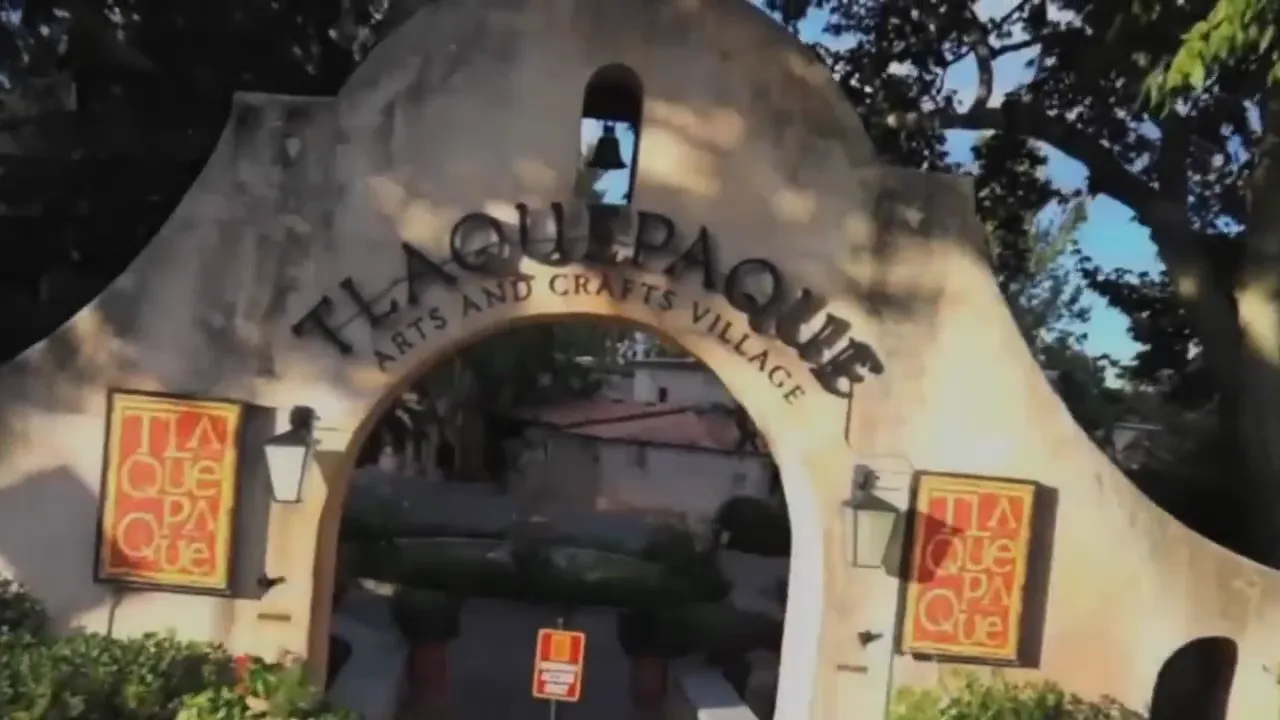
North of Phoenix on I-17, then west on AZ-179, Sedona sits in its red rock canyon with a gallery scene concentrated in the Tlaquepaque arts complex and along the main AZ-89A corridor. Kuivato Glass Gallery, El Prado Galleries, and Lanning Gallery are the highlights. Twelve miles beyond Sedona, the former mining town of Jerome clings to a mountain at 5,000 feet and has evolved into an artist colony of genuine character, the Jerome Artists Cooperative Gallery shows work by the townspeople, and the Caduceus Cellars winery (owned by musician Maynard James Keenan) occupies an extraordinary building with art on the walls. The drive from Sedona to Jerome on AZ-89A is one of the most scenic in Arizona.
Flagstaff: University Town and Gateway
Flagstaff sits at 7,000 feet in the Ponderosa pine country at the edge of the Colorado Plateau. The city's gallery scene is smaller than Sedona's but more locally rooted, the Museum of Northern Arizona is the essential stop, with extensive collections of Hopi, Diné, and Pueblo material culture alongside natural history exhibits that contextualize the geology and ecology of the Colorado Plateau. The annual Hopi, Diné, and Zuni artist exhibitions at the MNA draw serious collectors each summer.
The Four Corners and Canyon Country
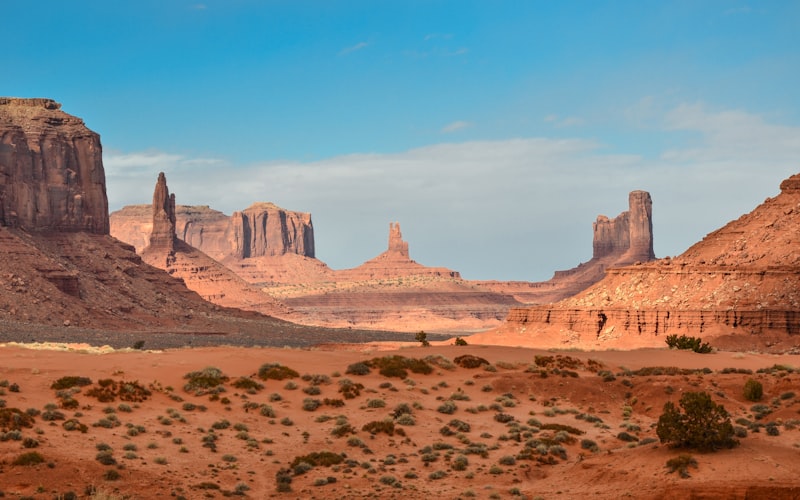
From Flagstaff, the route opens onto the Colorado Plateau, Monument Valley, Canyon de Chelly, Mesa Verde, some of the most visually overwhelming landscape in North America. This is also Indigenous territory: the Diné Nation, the Hopi Mesas, the Pueblo communities of the Rio Grande valley. Direct purchase from Indigenous artists, at trading posts on the Diné Nation, at the Hopi Cultural Center, at Pueblo feast day markets, is part of the travel here, with the understanding that buying directly supports the artists and communities most authentically.
Taos and Santa Fe
Re-enter New Mexico via the northern route through Taos (the Millicent Rogers Museum, Taos Pueblo, the Harwood Museum of Art) and then south on the High Road or Low Road to Santa Fe, Canyon Road, the New Mexico Museum of Art, the Georgia O'Keeffe Museum, SITE Santa Fe. Give Santa Fe two full days if possible; it is the most concentrated art destination in the Southwest and rewards slow attention.
Denver: The Terminus
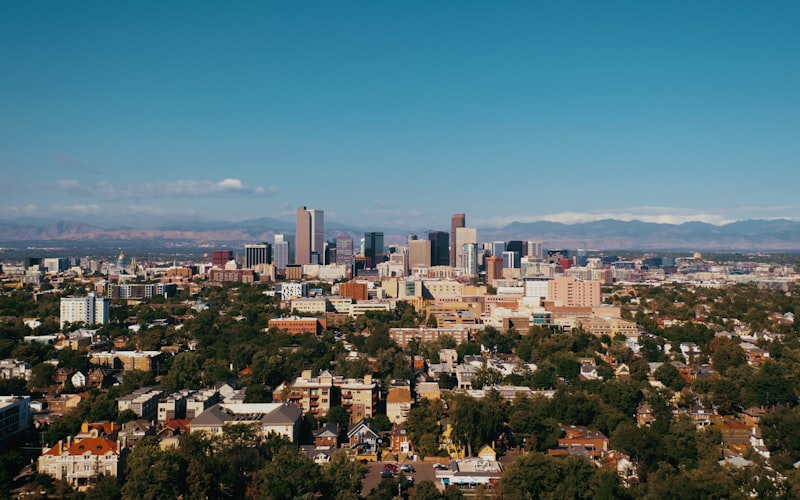
The final leg runs north from Santa Fe on I-25 through Albuquerque and into southern Colorado, past Taos (if you haven't already been) and through the dramatic Raton Pass into Colorado. Denver's art scene has grown dramatically over the past decade. The Denver Art Museum and the Clyfford Still Museum together constitute a full day. The RiNo arts district, River North, a former industrial neighborhood colonized by studios, galleries, and muralists, is the best single destination for contemporary work. Robischon Gallery, the most important commercial space in Denver, is on Santa Fe Drive.
Practical Notes
- The full Phoenix-to-Denver route is approximately 1,200 miles; allow five to seven days with substantive gallery time.
- The best overall season is September through November, post-summer heat, before winter road conditions, with fall light in the canyon country.
- Book Santa Fe and Taos accommodations at least three months ahead for October; fall is the most popular season.
- A National Parks pass pays for itself on this route, Grand Canyon, Mesa Verde, Arches, and Canyonlands are all accessible from the corridor.